Bible Art
Depictions of biblical stories and figures in art through the centuries.

Biblical Subjects in Art

Angels
How artists across centuries have portrayed angelic messengers — from Renaissance frescoes to illuminated manuscripts — capturing their role as divine intermediaries in biblical narratives.
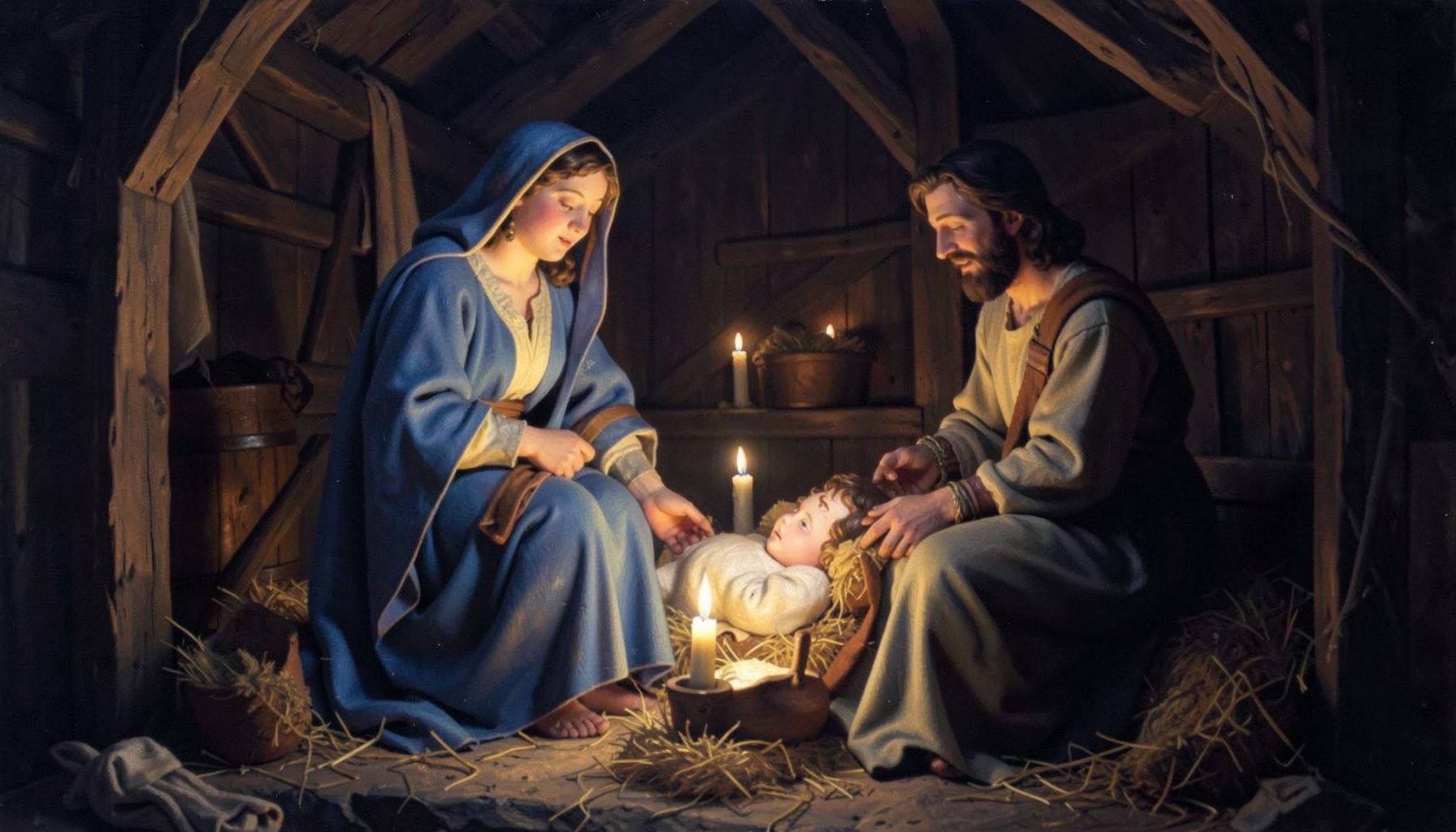
Birth of Jesus Christ
The Nativity has inspired countless masterpieces. Explore how painters have depicted the manger, the shepherds, the Magi, and the holy family through different artistic traditions.
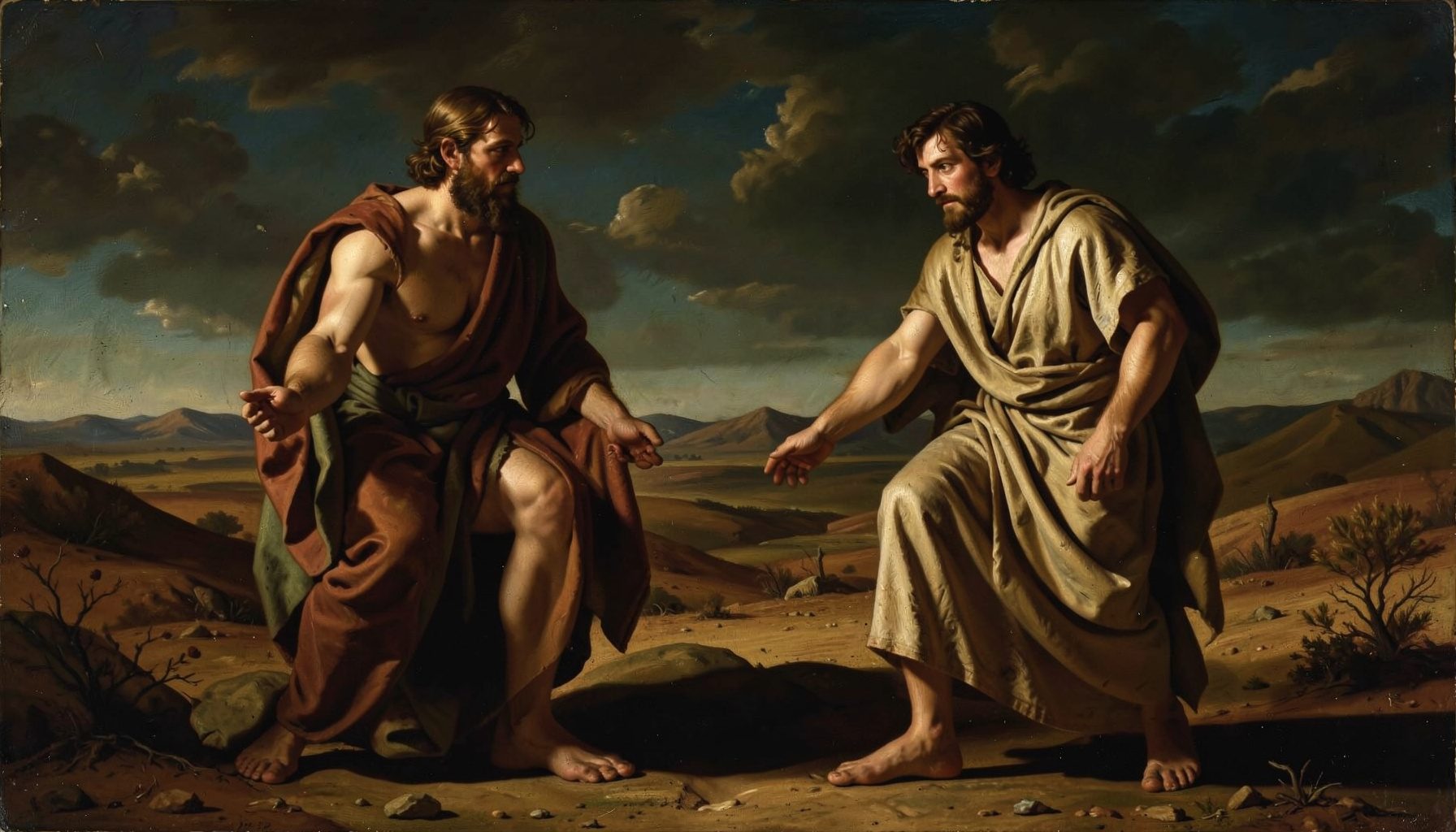
Cain and Abel in Art
The first brothers and the first tragedy — artists have long been drawn to this story of jealousy, offering, and consequence, rendering it in styles from medieval to modern.
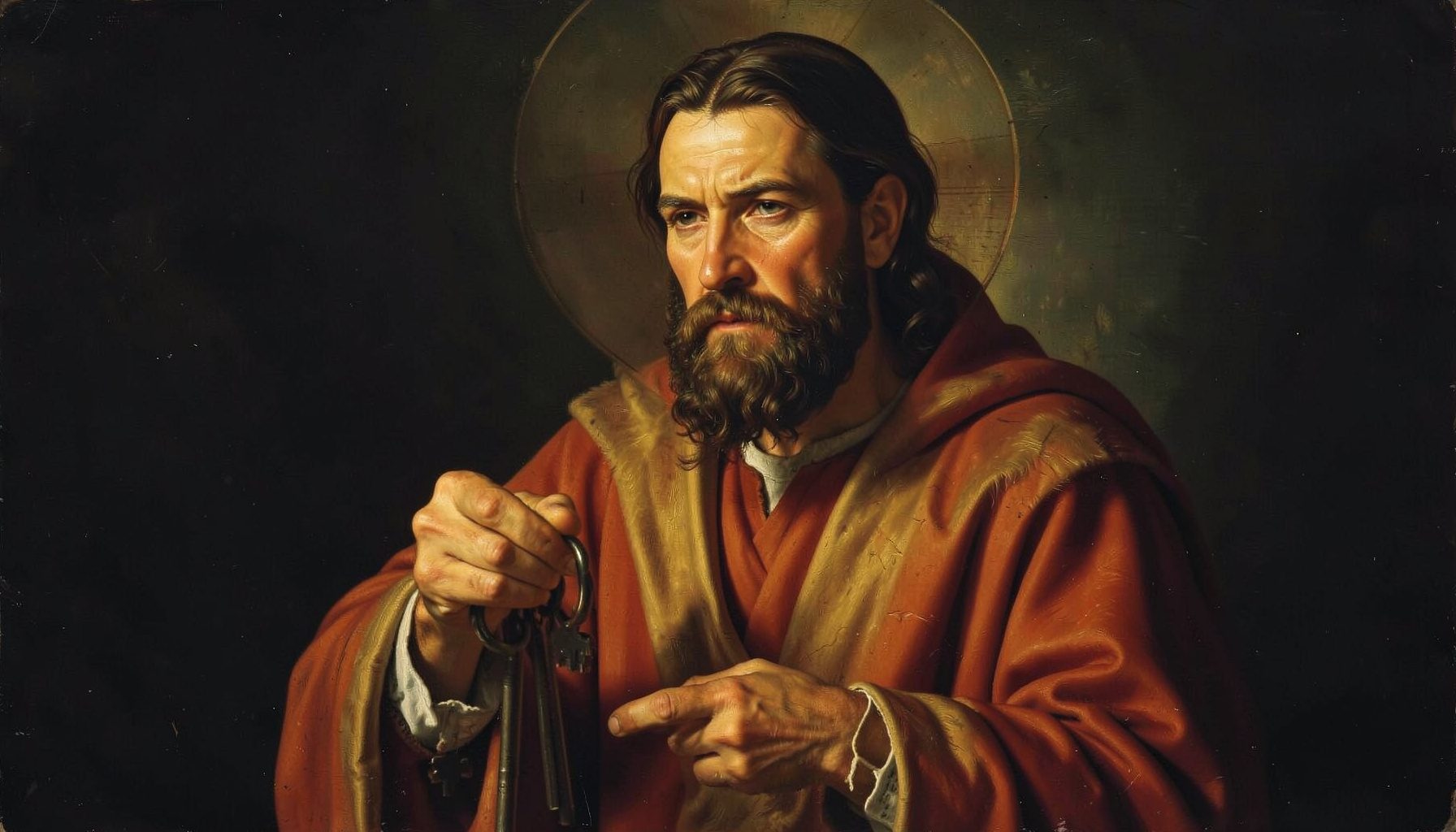
St Peter
From Caravaggio to El Greco, depictions of Peter emphasize his humanity — his faith, his denial, and his commission. See how art captures the fisherman who became the rock.
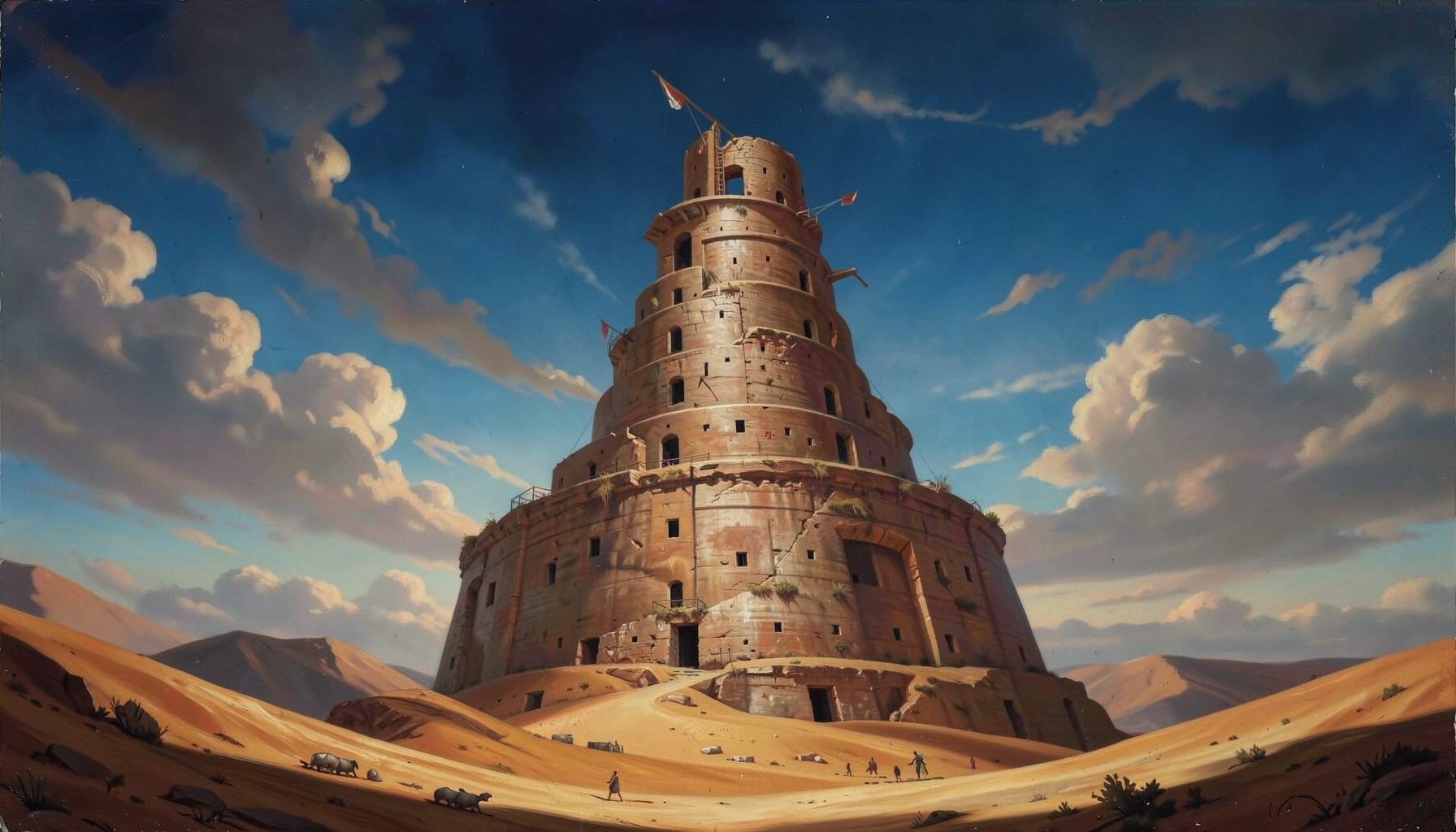
Tower of Babel
The ambitious tower and the scattering of languages have fascinated painters, particularly Bruegel the Elder, whose iconic rendition shaped how we visualize this Genesis account.
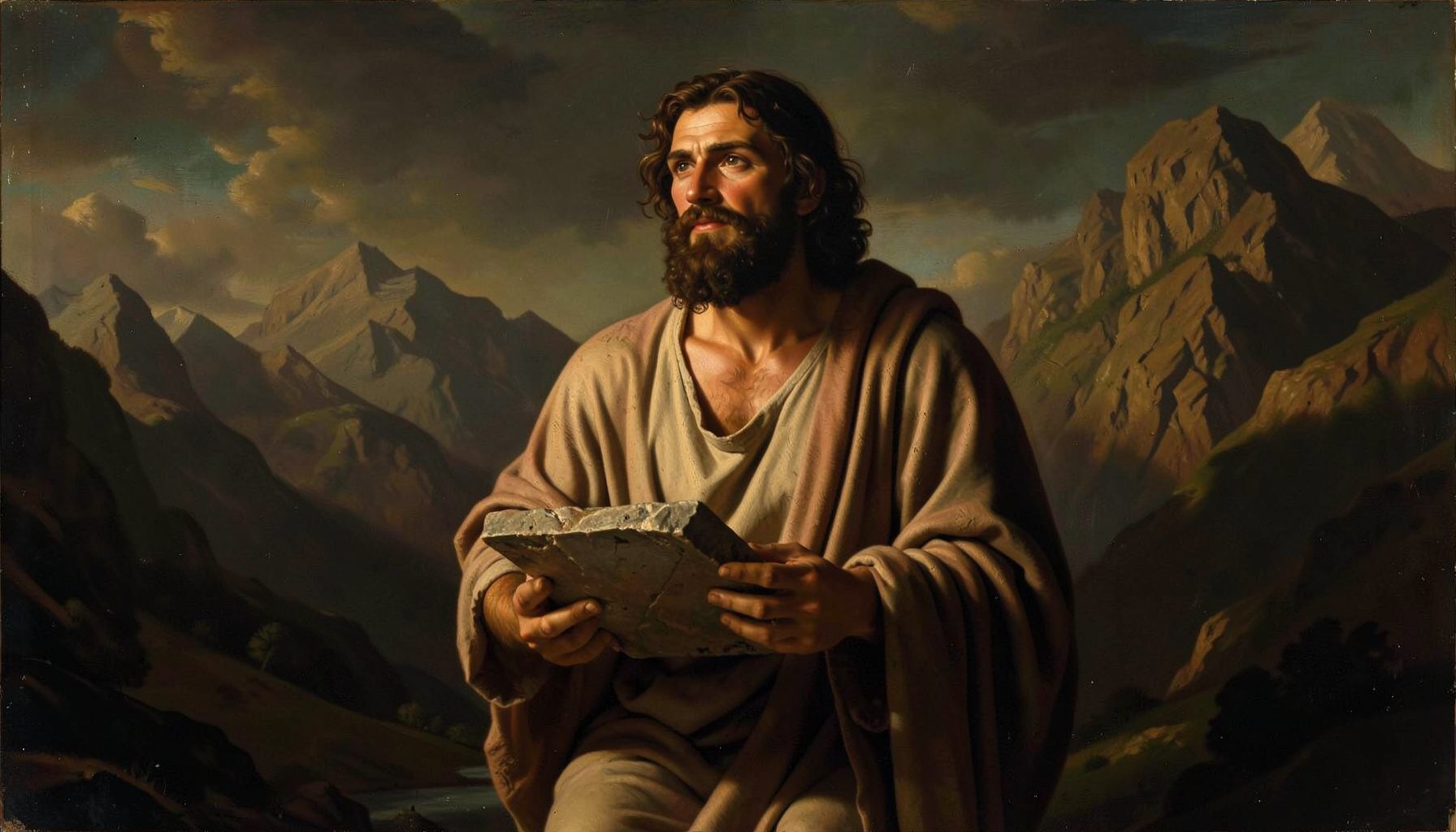
Moses
From the bulrushes to Mount Sinai, the life of Moses offers rich material for artists. Explore depictions of the Exodus, the Ten Commandments, and the prophet's encounters with God.
Using These Resources
Content on this site may be used in schools and churches with credit to the author. The art topics above provide background for lessons, sermons, and personal study — connecting visual tradition with the biblical text.
The Bible has inspired a vast and rich tradition of visual art that spans centuries and cultures. From the earliest illuminated manuscripts to Renaissance frescoes and modern interpretations, artists have sought to bring biblical narratives to life through color, form, and composition. These artistic works often emphasize key moments of faith, sacrifice, and redemption, helping viewers connect more deeply with the stories and their spiritual meanings. Whether depicting the creation of the world, the journey of Moses, or the parables of Jesus, biblical art serves as a bridge between the ancient text and contemporary understanding, inviting reflection on timeless truths about God, humanity, and hope.
Many famous biblical scenes have become iconic through repeated artistic representation. The story of Adam and Eve in the Garden of Eden, Noah and the great flood, David facing Goliath, and the birth of Jesus in Bethlehem are among the most frequently portrayed subjects. Artists throughout history have used these narratives to explore themes of obedience, courage, love, and divine intervention. The visual tradition also includes powerful depictions of the crucifixion and resurrection, which remain central to Christian faith and worship. These images continue to resonate with believers and art lovers alike, offering new perspectives on familiar stories and encouraging deeper engagement with Scripture.
Biblical art is not limited to paintings and sculptures but extends to mosaics, stained glass windows, tapestries, and illuminated manuscripts. In medieval times, monasteries preserved and decorated biblical texts with intricate illustrations that served both educational and devotional purposes. Cathedrals across Europe feature stunning stained glass windows that tell biblical stories to congregations, many of whom could not read the Scriptures themselves. These visual narratives made the Bible accessible to all people, regardless of literacy. Today, contemporary artists continue to draw inspiration from biblical themes, reimagining ancient stories through modern artistic techniques and diverse cultural perspectives.
When studying biblical art, it is helpful to consider the historical and cultural context in which each work was created. Different periods and regions have emphasized various aspects of biblical stories, reflecting their own theological priorities and artistic conventions. The symbolism found in biblical art often carries layers of meaning, with colors, objects, and gestures conveying spiritual truths beyond the literal scene. For example, a lamb might represent Christ, while a dove symbolizes the Holy Spirit. Understanding these symbols enriches the viewer's appreciation and interpretation. Whether used for personal meditation, teaching, or worship, biblical art remains a powerful tool for exploring faith and connecting with the sacred stories that have shaped Western civilization.